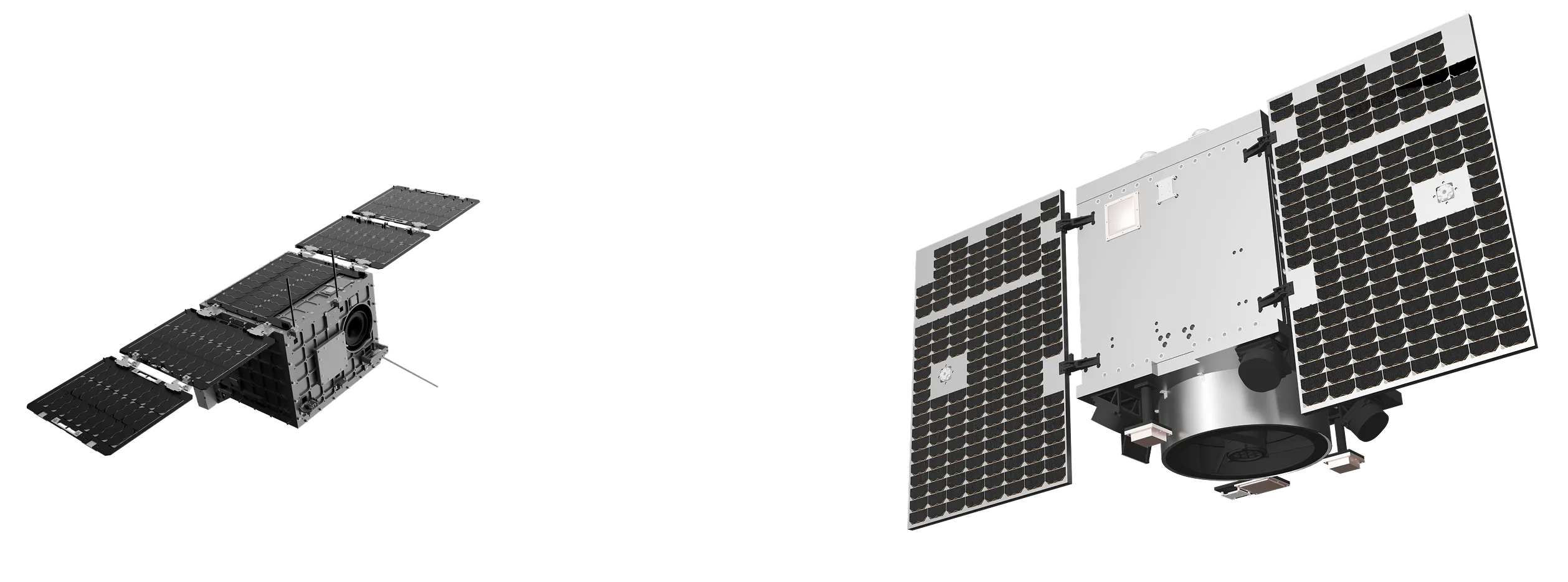
Solis and Solis+ Space-Grade Solar Arrays
.svg)

Mission-specific custom designs

Body-mounted and Deployable

LEO-optimised

Competitive pricing and aggressive TATs
Flight-Proven Solar Power for Space Missions

Proven LEO flight heritage
Solis solar panels powered Dhruva Space’s Thybolt CubeSat Mission in 2022, which has successfully completed more than 15,000 combined orbits in Low Earth Orbit (LEO).

Flight-ready Solis+
Dhruva Space has delivered 8 flight-ready Solis+ panels, comprising 2 sets of 4 panels each which have been accepted by the Government of India and are flight ready in Q4 2026.

Platform-level integration
Solis panels have been integrated on Dhruva Space’s P-30 platform, which also serves as the flagship platform for the LEAP series of missions. LEAP-1 successfully flew in August 2025, demonstrating the platform and its integrated subsystems in orbit. LEAP-2 is scheduled for launch in Q4 2026, further advancing the LEAP mission series and platform capabilities

Deep solar-panel expertise
The team behind Dhruva Space’s spacecraft power solutions brings extensive experience in fabricating high-efficiency solar panels for ISRO missions from 2011 to 2024. The team has contributed to solar-panel development across ISRO’s I-1K (~1 tonne), I-2K (~2 tonne), I-3K (~3 tonne), and I-6K (~6 tonne) satellite platforms, demonstrating experience across a broad range of spacecraft classes. Collectively, these panels have contributed more than 50 kW of power across multiple space missions, backed by nine decades of cumulative solar-panel fabrication experience.
Solis: Spacecraft Solar Arrays for CubeSats and NanoSats
Product Portfolio
Get a Quote: Solis+
Thank you! Your submission has been received!
Oops! Something went wrong while submitting the form.
X
Solis+ Brochure
Thank you! Your submission has been received!
Oops! Something went wrong while submitting the form.
X

get a quote
solis+ Brochure
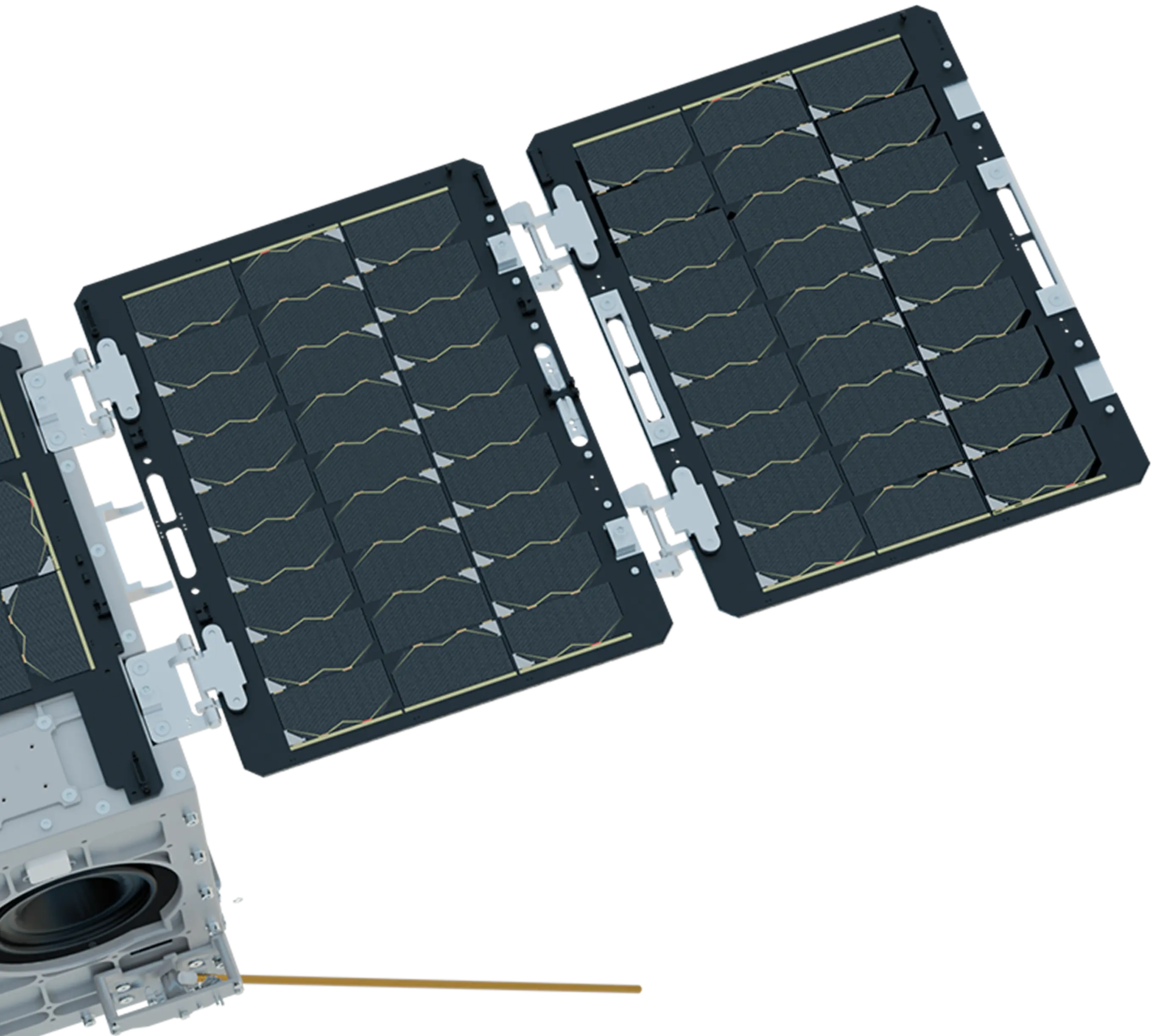
Hover for specifications
Solis+ : Spacecraft Solar Arrays for MicroSats
Product Portfolio
Get a Quote: Solis+
Thank you! Your submission has been received!
Oops! Something went wrong while submitting the form.
X
Solis+ Brochure
Thank you! Your submission has been received!
Oops! Something went wrong while submitting the form.
X
get a quote
solis+ Brochure
.webp)
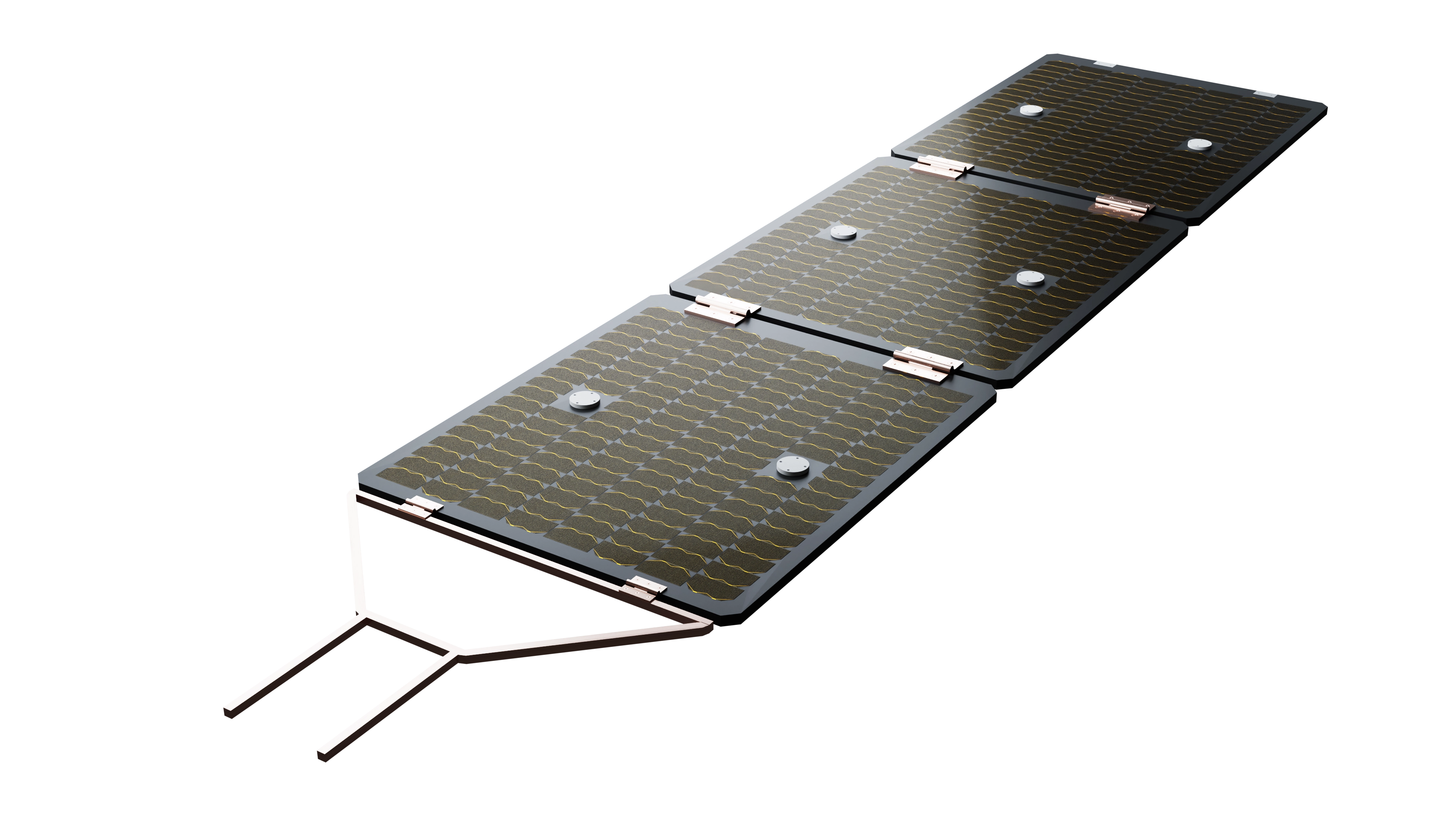
Hover for specifications

High-efficient Triple-junction (up to 30%) GaAs Coverglass interconnected Cells (CICs)
.webp)
CFRP Honeycomb Sandwich substrate with local reinforcements
Flight-proven Hinges
Flight-proven, low-shock, and redundant Hold -Down and Release Mechanisms
SADA (Solar Array Drive Assemblies) and BAM (Beta Angle Mechanism)
Gallery
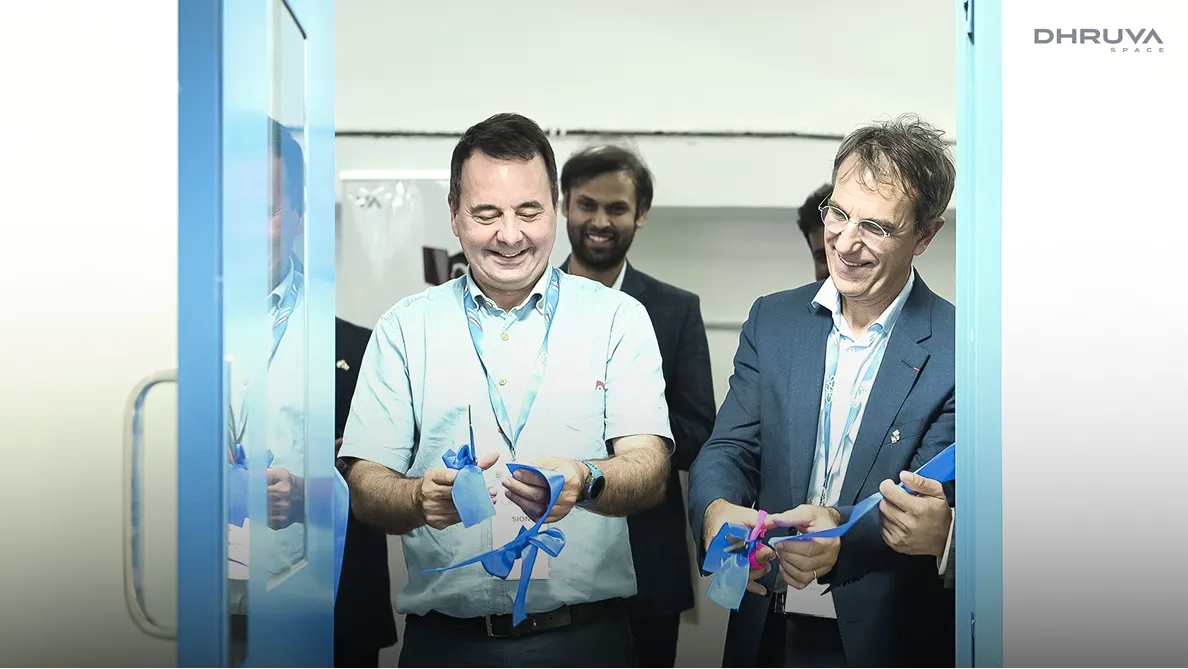
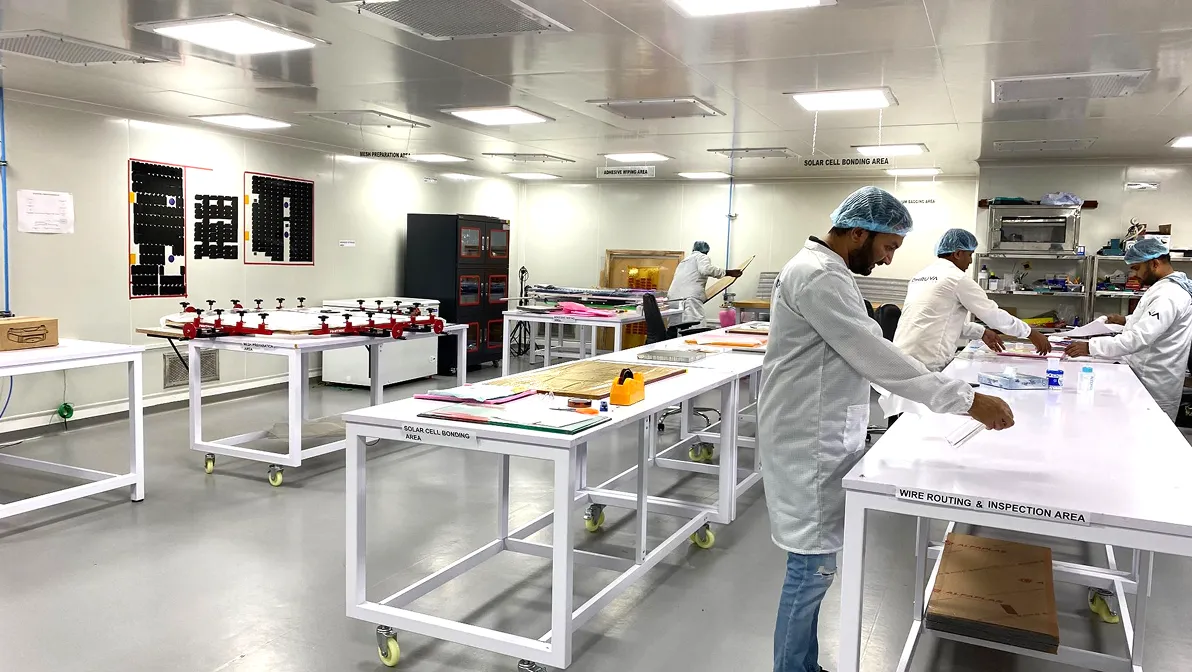
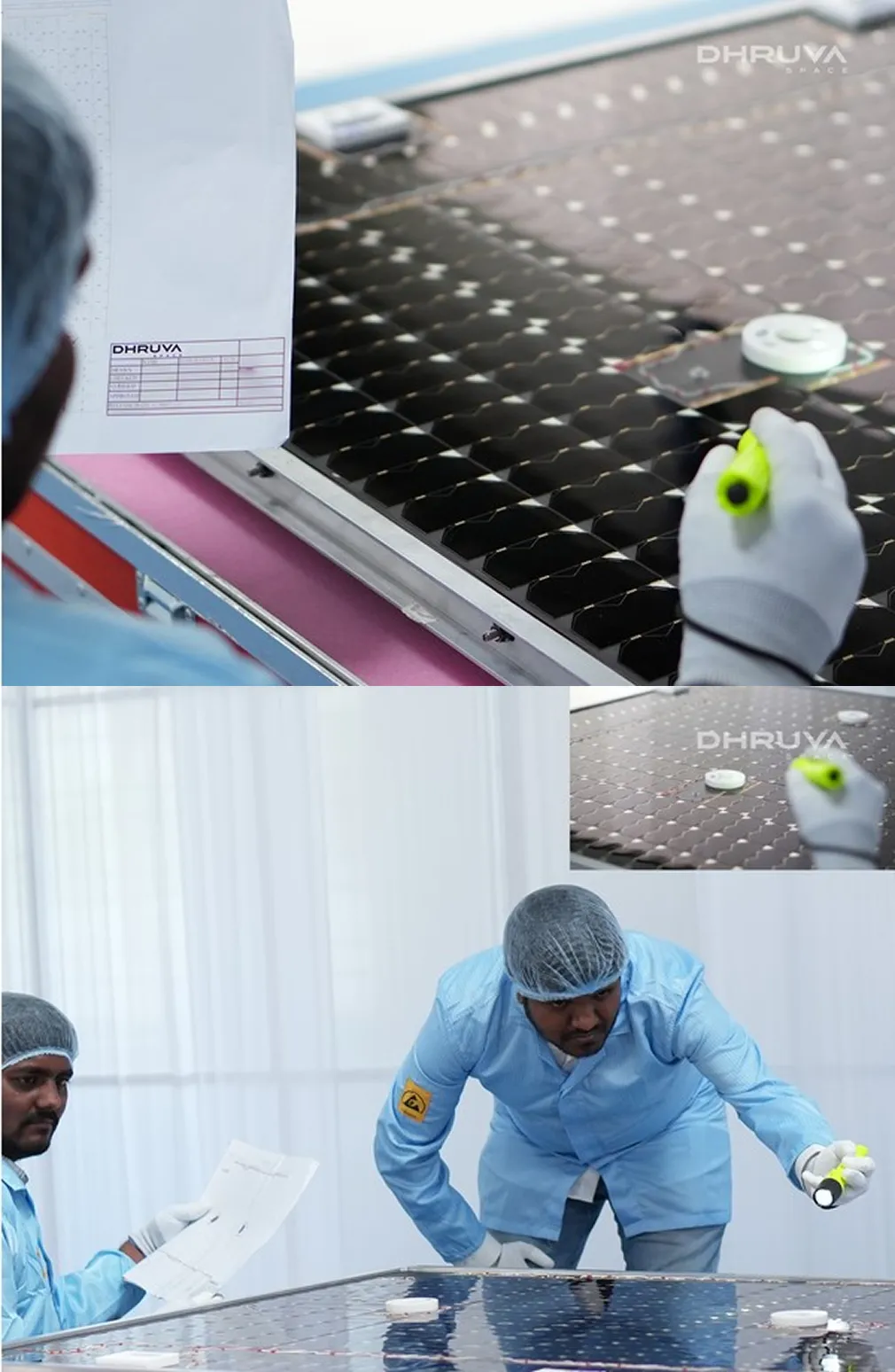
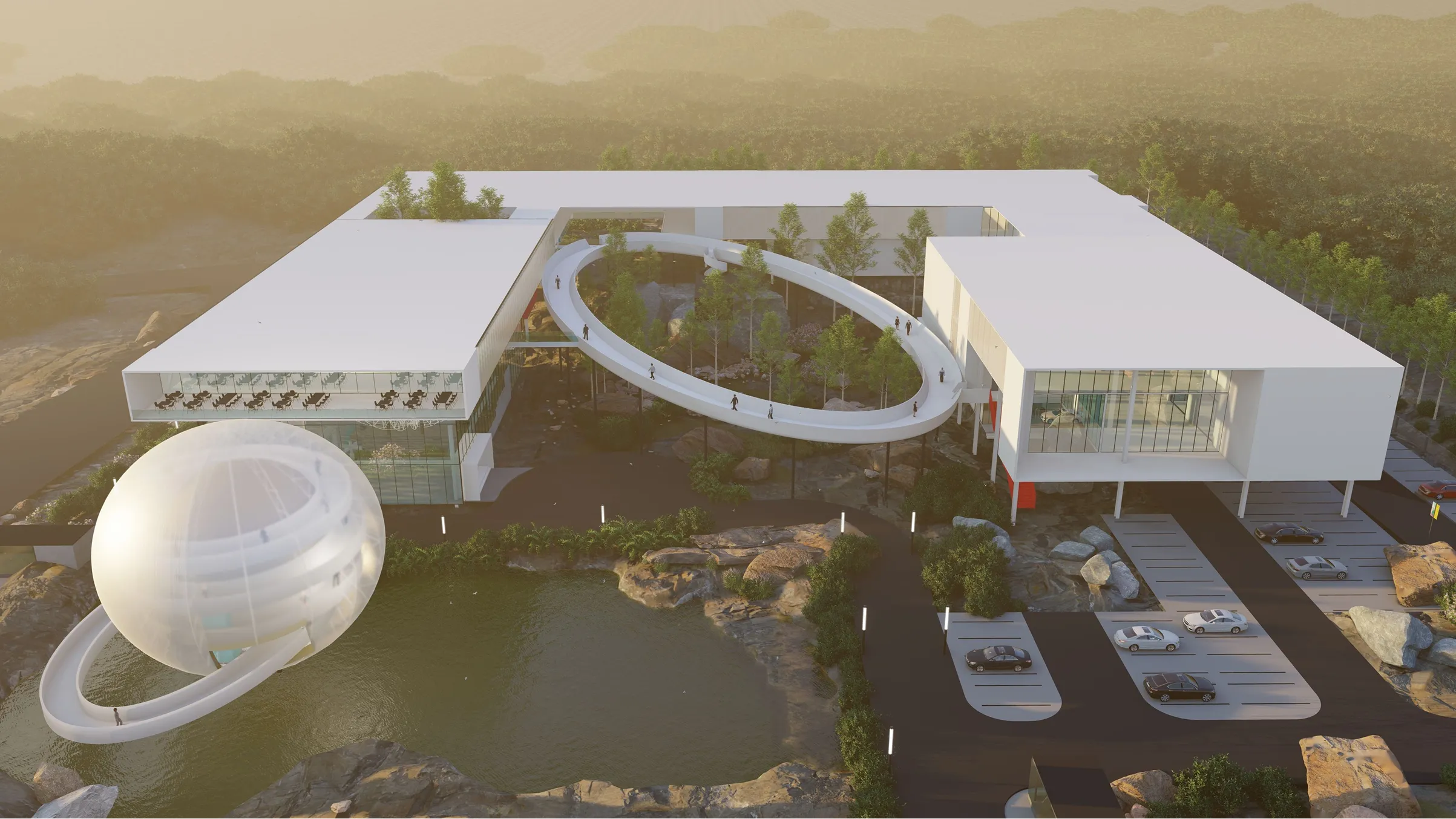
Scaling In-House Solar Array Production
Get a Quote: Solis+
Thank you! Your submission has been received!
Oops! Something went wrong while submitting the form.
X

.svg)

.svg)